IDC’S view on BOOST25: Inspiring Utility Innovation in Antwerp

Gaia Gallotti
Research Director @ IDC Energy Insights
oktober 16, 2025
Events
Gaia Gallotti



We had the pleasure of welcoming Gaia Gallotti from IDC at our BOOST25 event. In the article below, she reflects on her experience as both a keynote speaker and panel discussion guest, sharing valuable insights on the most talked-about topics and summarizing the key takeaways that shaped this year’s edition:
Ferranti’s BOOST25 event gathered a vibrant community of utilities industry leaders, technology partners, and customers in the heart of Antwerp, Belgium, a city well known for its culture of innovation and collaboration. This year’s event in Zuid, a dynamic neighborhood and prominent media hub, reflected a significant leap in scale, ambition — and relevance — for the industry.
Having previously joined BOOST on several occasions via my role at IDC, I can confidently say that this year’s edition surpassed expectations on every front. Across two-and-a-half days, participants experienced a wealth of keynotes, technical breakouts, panel discussions, and hands-on demos, each focused on how technology is reshaping electricity, water, and gas utilities.
Central to BOOST25 was the rapid advance of AI — particularly GenAI and intelligent automation — which is revolutionizing every aspect of the industry, from customer care and billing to meter data management and process orchestration.
Experts from Ferranti, Microsoft, and partners including IDC brought forward compelling use cases demonstrating how AI is optimizing operations, predicting maintenance needs, and empowering utilities to make smarter, data-driven decisions across assets, field operations, and customer interactions.
Examples of integrated copilot features in business applications or internal data hubs like Data Fabric showed the power of combining robust data architectures with seamlessly embedded AI to turn complex operational insights into actionable intelligence.
In today’s increasingly complex utilities environment, such improvements are no longer merely “nice to have” — they’re essential. Utilities that resist transformation are at risk of losing both relevance and revenue in a market being reshaped by distributed energy, electrification, and emerging digital competitors.
BOOST25 also addressed the need to get back to fundamentals. Achieving scalable AI benefits requires confronting deep structural challenges: legacy IT systems, fragmented data landscapes, and persistent talent gaps.
Digital transformation is not a single project but a comprehensive organizational shift. Processes must be redesigned for efficiency and resilience. Simply overlaying AI onto old or broken structures is a missed opportunity for meaningful change.
This is especially true in customer operations. In today’s post-energy crisis environment, customer centricity in utilities has never been more critical. I had the pleasure of partaking in a panel discussion that specifically addressed the “Customer Experience Shift.”
With affordability top of mind after recent energy price volatility, providers are striving to balance reliability with accessible, transparent pricing for households and businesses alike. Frictionless experiences are now a central expectation — customers want intuitive digital journeys, instant support, and seamless interactions, whether resolving issues or managing bills.
AI-powered platforms and smarter digital services make it possible for utilities to deliver personalized, proactive engagement while ensuring every customer can easily understand, manage, and afford their energy and water consumption. The transformation isn’t just about technology — it’s about making every utility experience smooth and empowering for the people who matter most.
For me, the most striking insight from BOOST25 was Ferranti’s remarkable partner ecosystem. The event highlighted that innovation in utilities is a collective journey, as reflected in Ferranti’s MECOMS 365 platform, built on Microsoft Azure and Dynamics 365.
Through close integration with Microsoft, Ferranti provides scalable cloud solutions tailored for every aspect of utility operations, including meter management, customer service, and pricing.
Another pressing theme was the growing importance of behind-the-meter solutions. With grid upgrades often taking 3–10 years — while datacenters are built in less than two — utilities must innovate with microgrids, local generation, and flexible supply contracts to ensure reliability amidst rapid change.
As Ferranti and its partners look ahead, BOOST25 serves as a powerful testament to what’s possible when expertise converges to shape the future of energy, water, and gas. AI and digital transformation are more than just industry trends: They are key drivers unlocking efficiency, sustainability, and new customer value across the entire utilities sector.
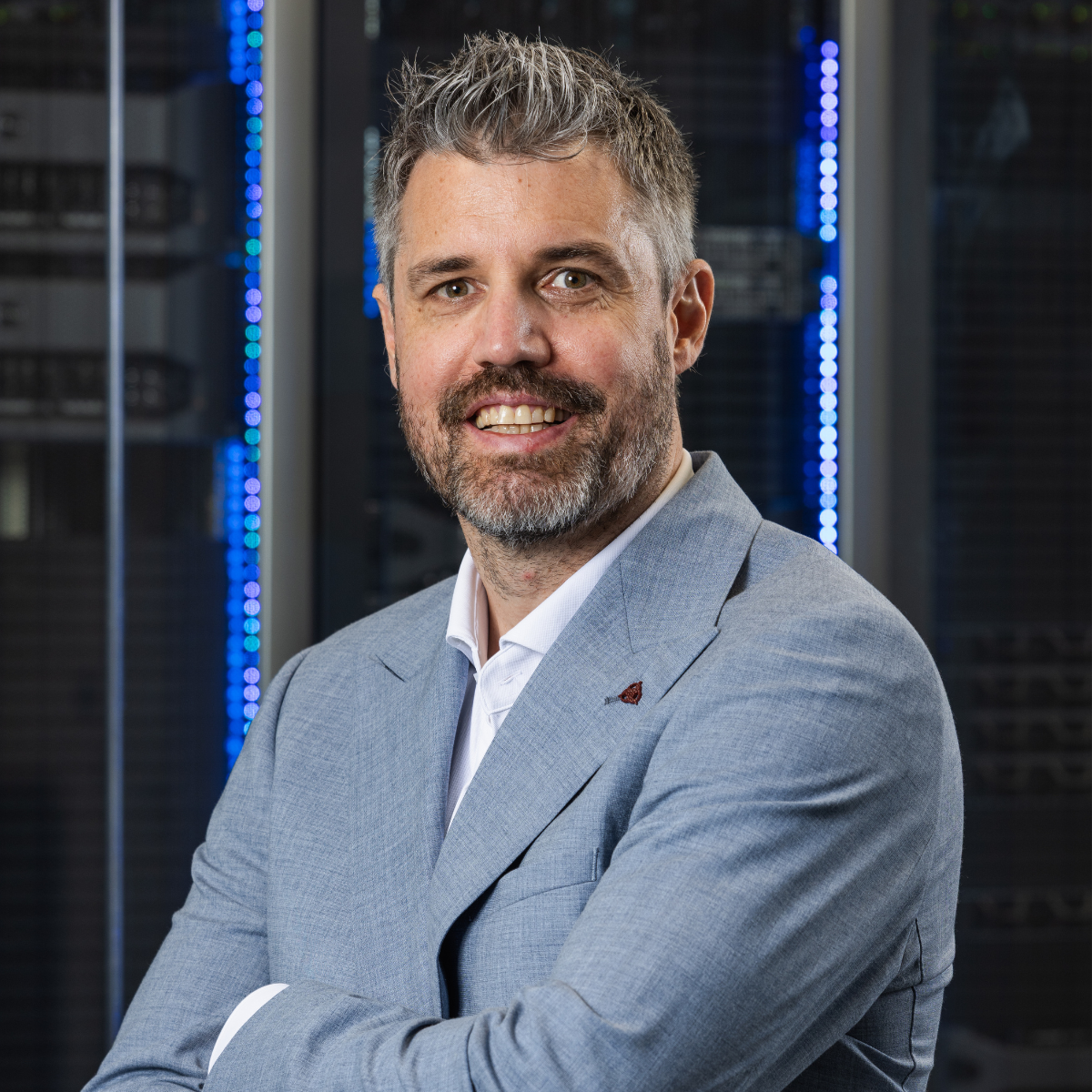
Johan Vandekerckhove
Management team
Talk the talk
Stay informed about current events and stay on top of the latest trends for energy suppliers, grid operators, heat-and-water providers.